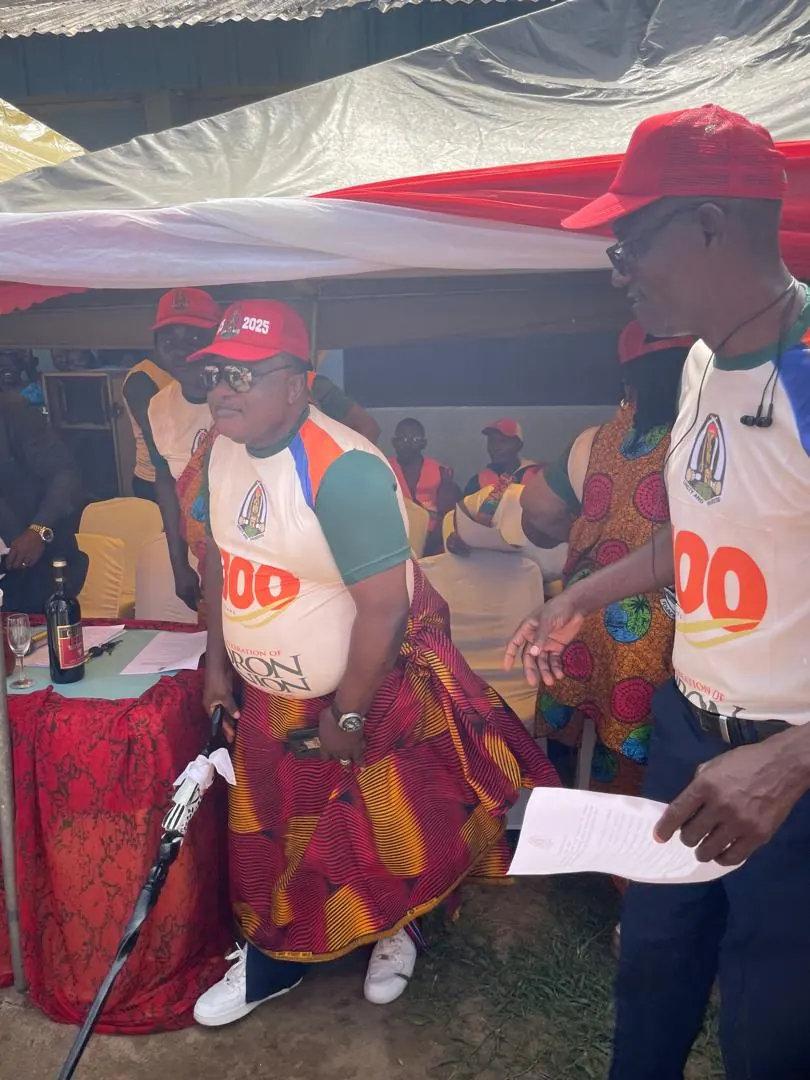
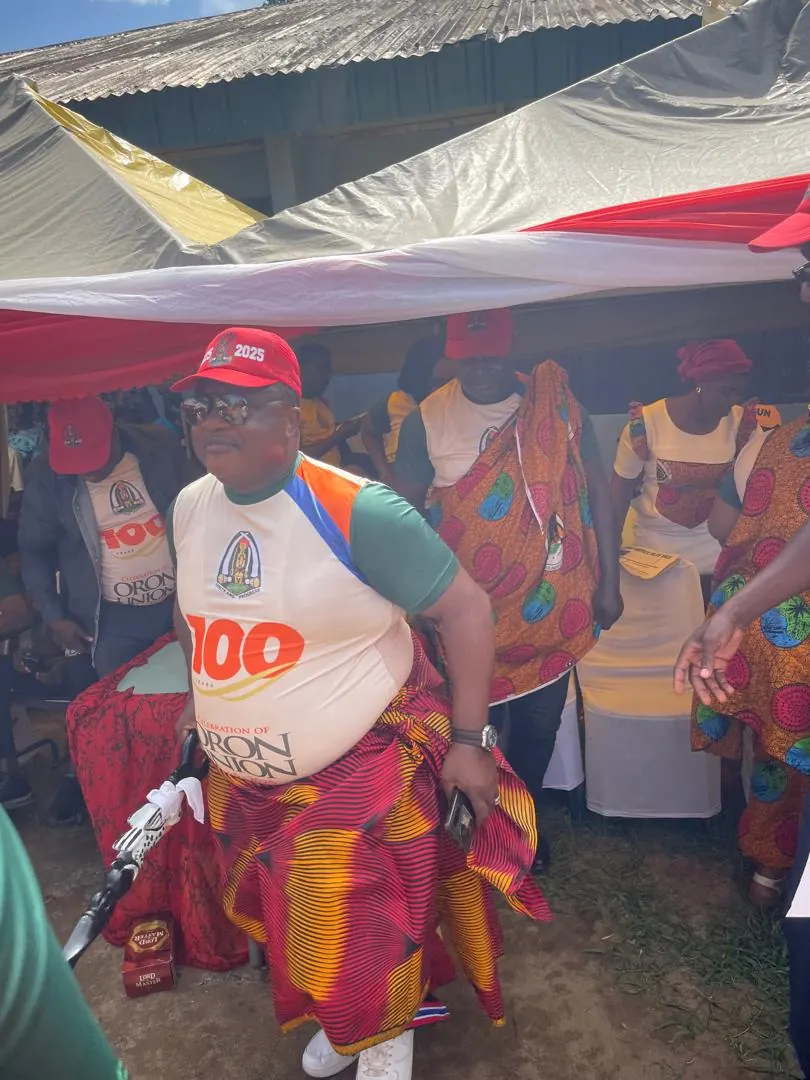
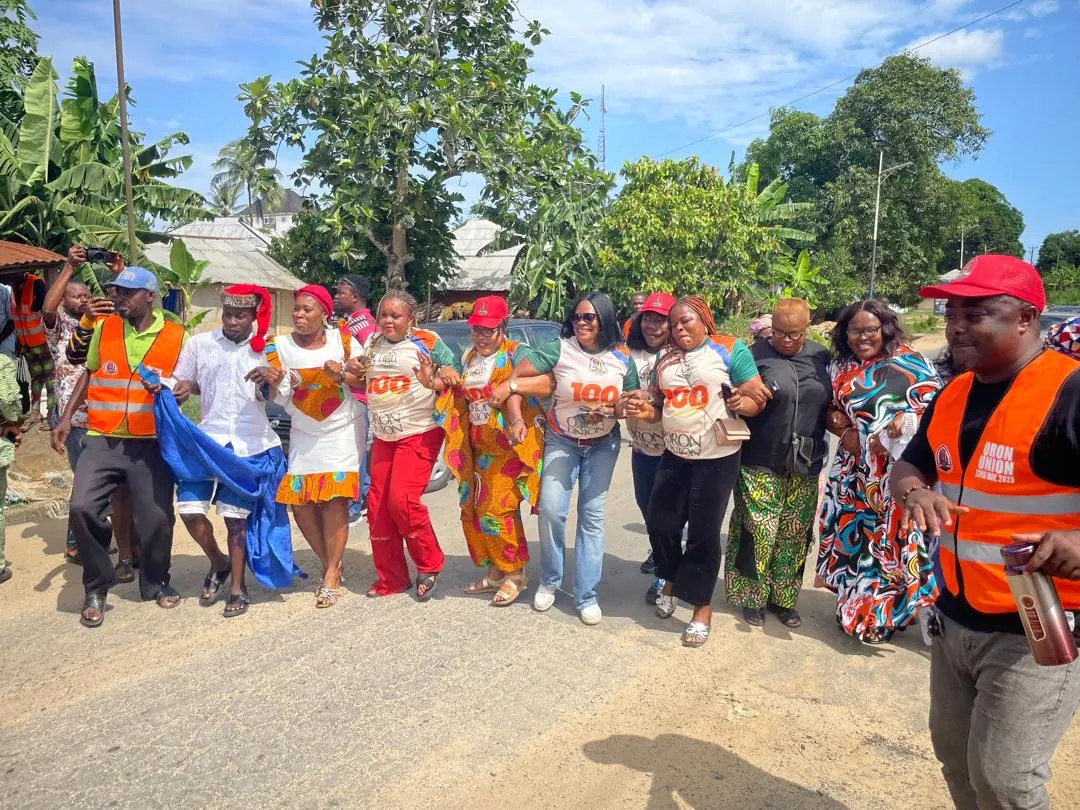
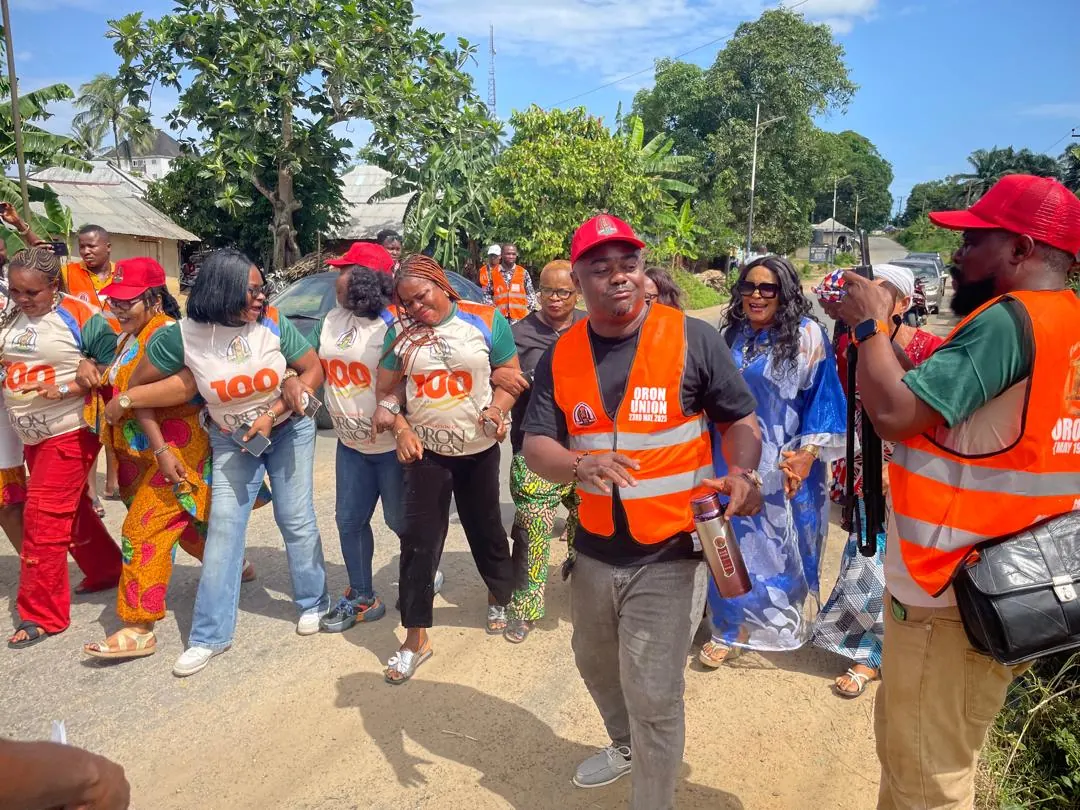
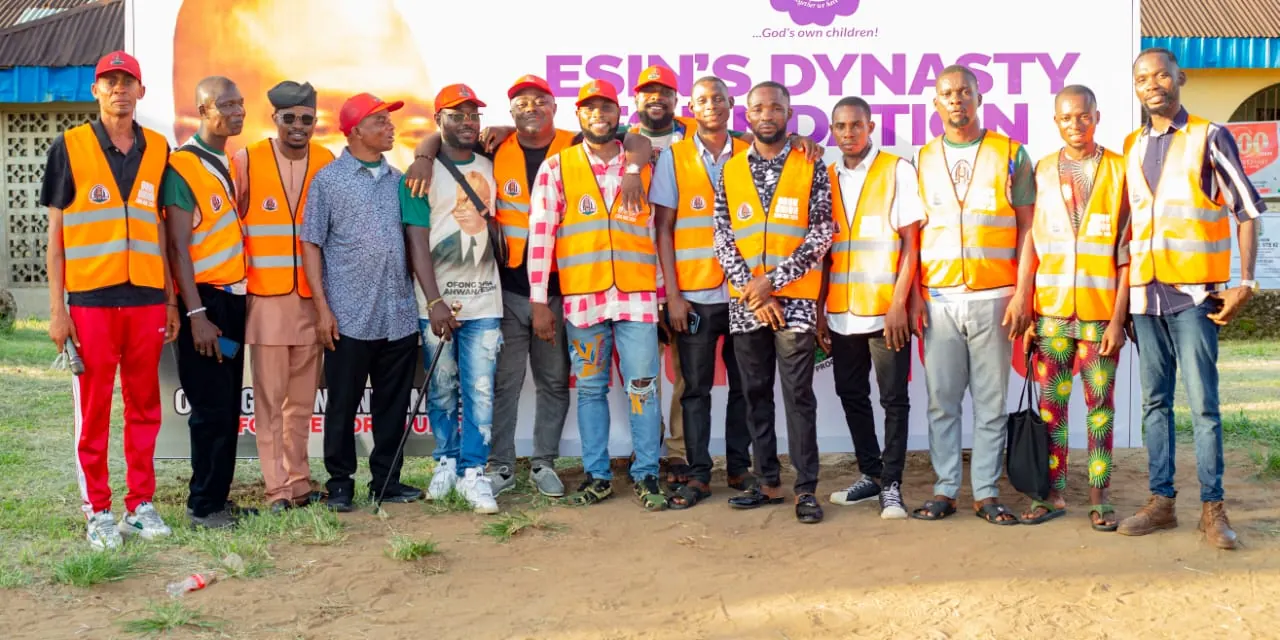
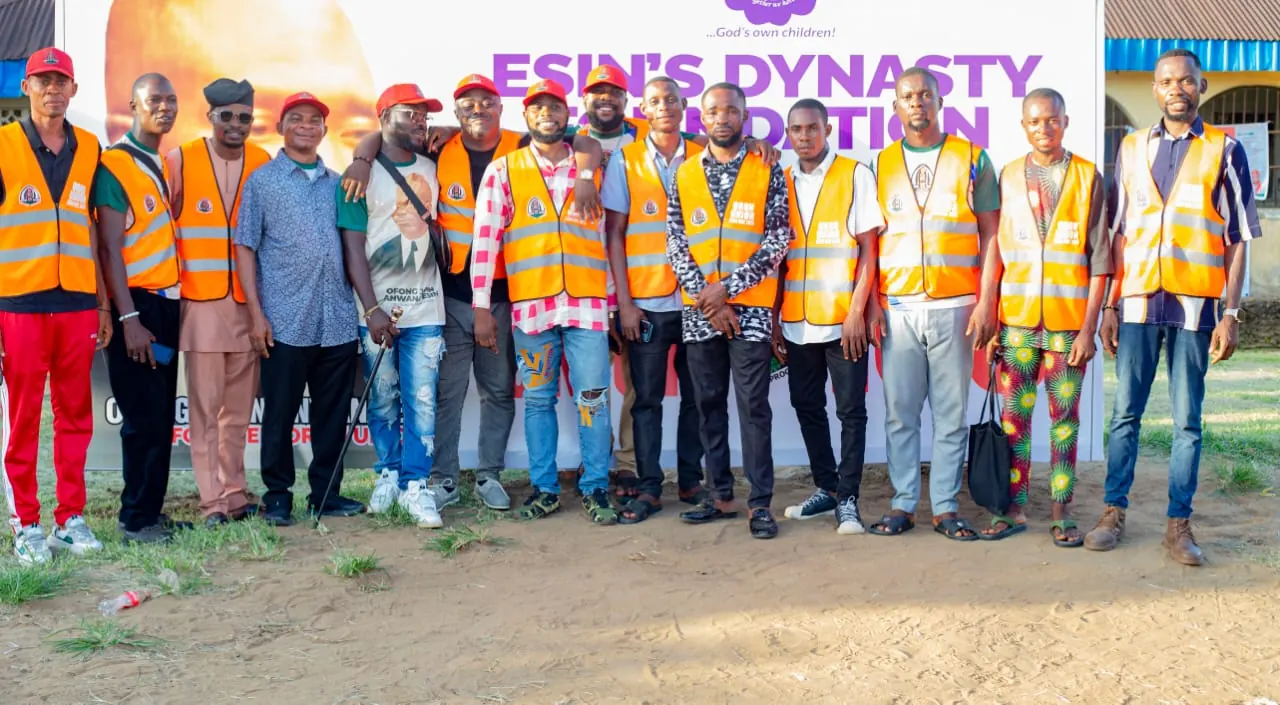
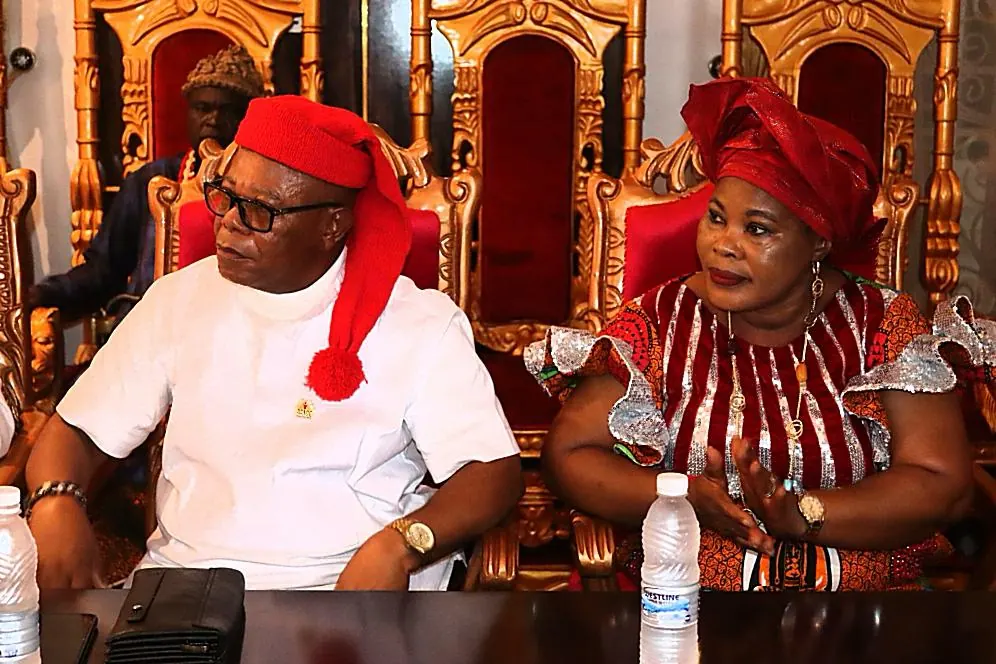
The Oro people — guardians of a rich cultural legacy stretching back millennia along the Cross River estuary.
The Oro people are among the oldest and most distinguished seafaring peoples of the Cross River Delta region, with archaeological and oral evidence placing their settlement along the coastlines of present-day Akwa Ibom State thousands of years before the common era. Their identity as a maritime people — expert fishermen, traders and navigators — is woven into the very fabric of their language, their festivals, and their mythology.
Before European contact, the Oro Nation was a major hub in the pre-colonial trade networks of the Bight of Bonny. Oro canoe traders plied routes connecting the interior kingdoms of the Cross River to coastal markets, exchanging palm oil, fish, ceramics and cloth for goods from as far as the Hausa north and the Yoruba west. The Oron Market at Oron City was one of the most important commercial centres in the region.
The arrival of European missionaries and colonial administrators in the 19th century brought profound changes, but the Oro people responded with characteristic resilience. Oro elders negotiated carefully with British authorities, preserving their land rights and cultural institutions while adapting to the new educational and administrative realities. Several of the earliest graduates of colonial schools in the region were Oro sons and daughters.
Today, the Oro people number in the hundreds of thousands across the five LGAs and the global diaspora. Their story is one of continuity and adaptation — of a people who have never lost sight of who they are, no matter how far the tide carries them from home.
The Oro Nation spans five Local Government Areas in Akwa Ibom State: Oron, Urueoffong/Oruko, Okobo, Mbo, and Udunguko. This boundary map illustrates the ancestral territory of the Oro people, stretching along the coastline and the Cross River estuary — land that has been home to the Oro Nation for over five thousand years.
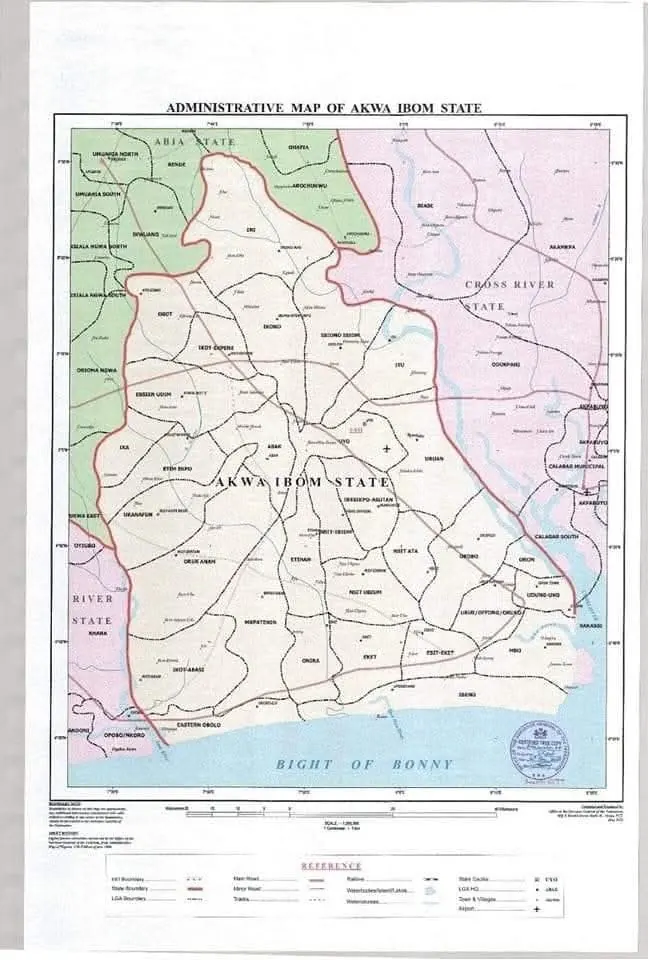
Boundary map of the Oro Nation — Oron, Urueoffong/Oruko, Okobo, Mbo and Udunguko LGAs, Akwa Ibom State, Nigeria.
The Oro Nation is composed of nine ancestral clans, each carrying its own lineage, traditions and identity — united by a shared language, heritage and collective spirit across five LGAs.
One of the foremost clans of the Oro Nation, distinguished by its ancient lineage, deep-rooted masquerade traditions and strong community governance.
A clan celebrated for its skilled artisans and storytellers, whose oral traditions and craftsmanship have been passed down through countless generations.
Known for its vibrant cultural festivals and its elders' council — one of the most respected traditional governance bodies across the Oro homeland.
A clan with a proud agricultural heritage, renowned for its communal farming traditions, harvest festivals and the warmth of its community bonds.
Afaha Okpo is known for producing exceptional community leaders and its tradition of resolving disputes through respected elder mediation.
A clan with strong ties to the waterways, whose fishing traditions and canoe-building skills have shaped community life along the Oro coastline for centuries.
The Ebughu clan is celebrated for its sacred masquerade heritage and its ancient trade routes that once connected Oro communities across the Niger Delta.
Effiat carries a distinguished history of scholarship and civic leadership, with many of the Oro Nation's earliest educated pioneers tracing their roots here.
The Etta clan is known for its vibrant musical traditions, its skilled weavers and the pride it takes in preserving Oro cultural memory across generations.
The Oro language — variously referred to as Oro or Oron — is a vibrant, living tongue spoken by an estimated 500,000 people across the five LGAs and the global diaspora. It belongs to the Lower Cross branch of the Cross River language family, sharing structural features with Ibibio, Efik and Anaang while maintaining a distinct phonology, vocabulary and tonal system that marks it unmistakably as Oro.
The language is rich in proverbs — known as edi — which encode centuries of philosophical wisdom about community life, justice, perseverance and the relationship between humanity and the divine. Oral literature in Oro includes epic narratives, praise poetry, riddles, and the sacred chants of masquerade traditions that have been transmitted across generations without interruption.
The Oron Union actively supports language preservation through its cultural programmes, youth workshops and its collaboration with University of Uyo linguists who are developing the first comprehensive written orthography and grammar reference for the Oro language.
In diaspora communities, the Oro Language School — run by chapter volunteers — provides weekly classes for Oro children growing up abroad, ensuring the language thrives wherever the tide carries Oro people.
| Alagha | Good morning |
| Ekò Mbressi | Good evening |
| Ile ovu oh | How are you? |
| Ile Omi Otu | I am fine |
| Afu Odi? | Welcome |
| Sosong! | Thank you |
| Enwi Omi | My people / My kin |
| Abazi abak ma Ovu | God be with you |
Oro Proverb: "Edi iko owo oro" — The word of the elders is the wealth of the people.
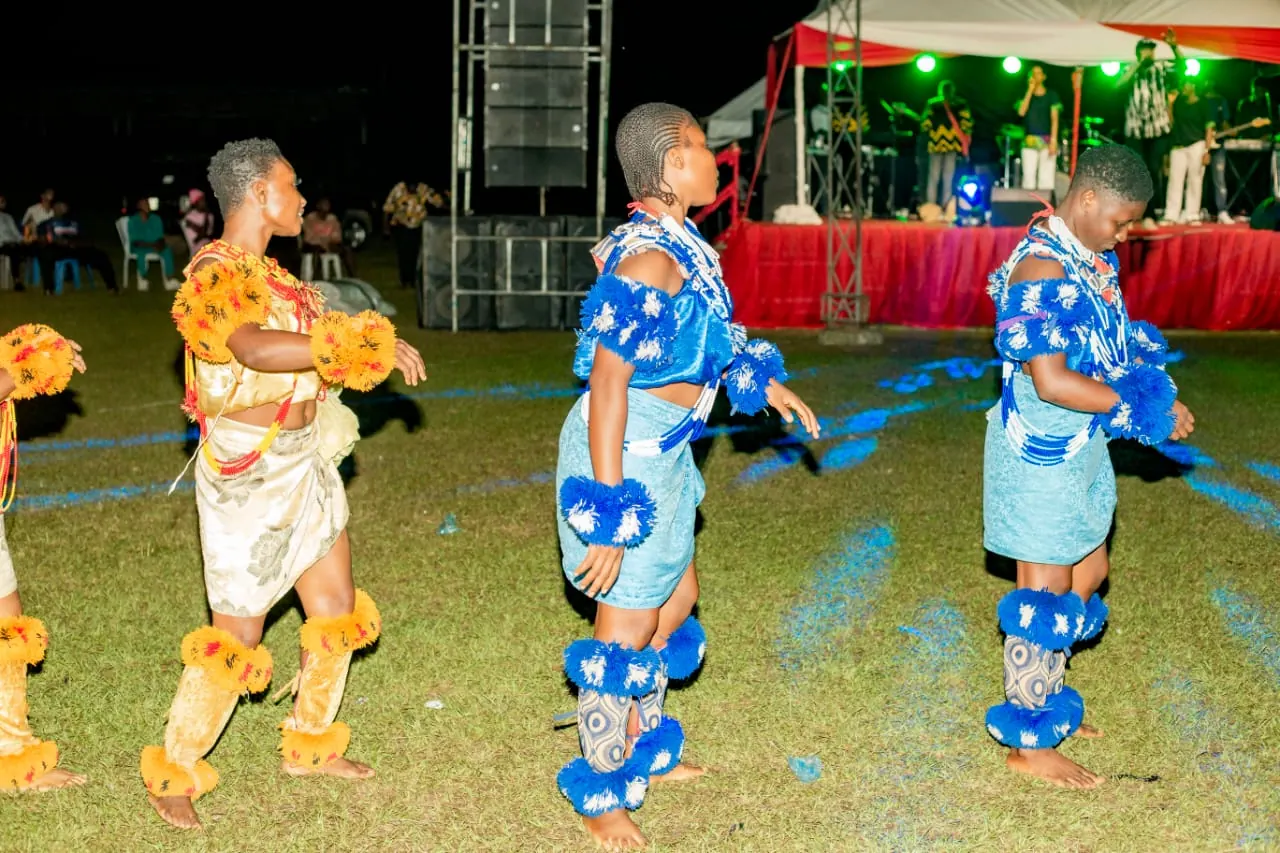
The Oro ceremonial calendar is a living testament to a people deeply in tune with the seasons, the sea, and the sacred. These festivals unite communities, honour ancestors, and pass traditions to the young.
The harvest thanksgiving celebration when the first fruits of the season are presented to Abassi (God) and the ancestral spirits. Elders, chiefs and community members gather in traditional attire for prayers, feasting and the symbolic breaking of the new yam — an act that opens the harvest season for all.
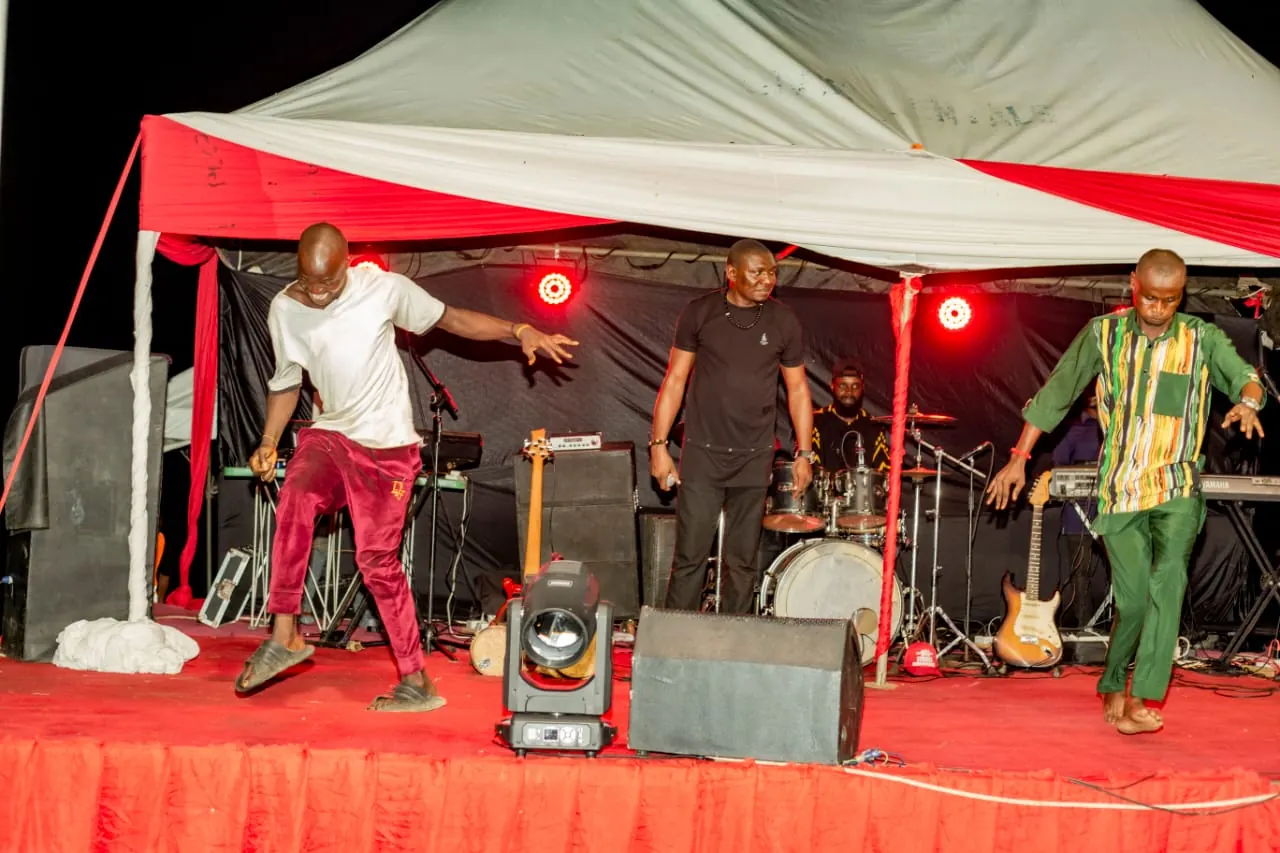
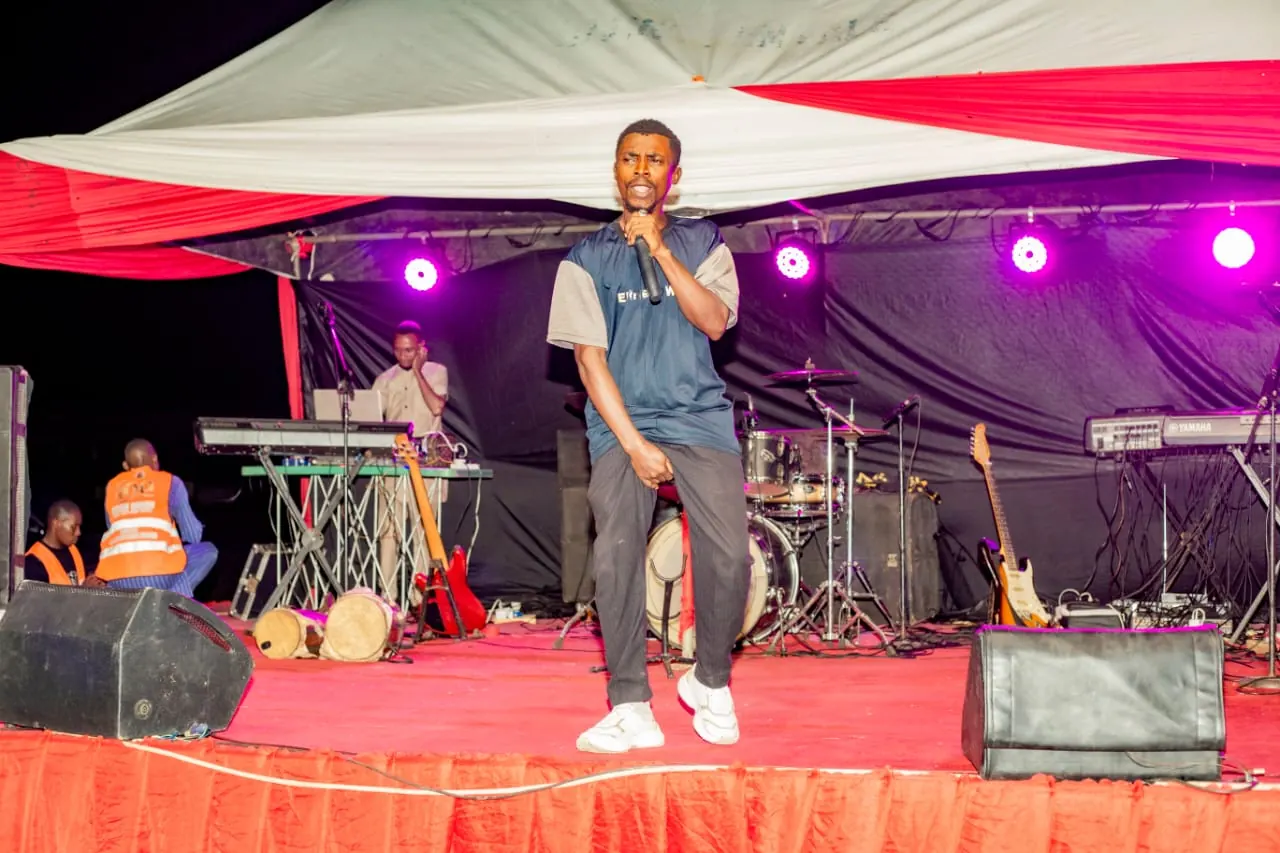
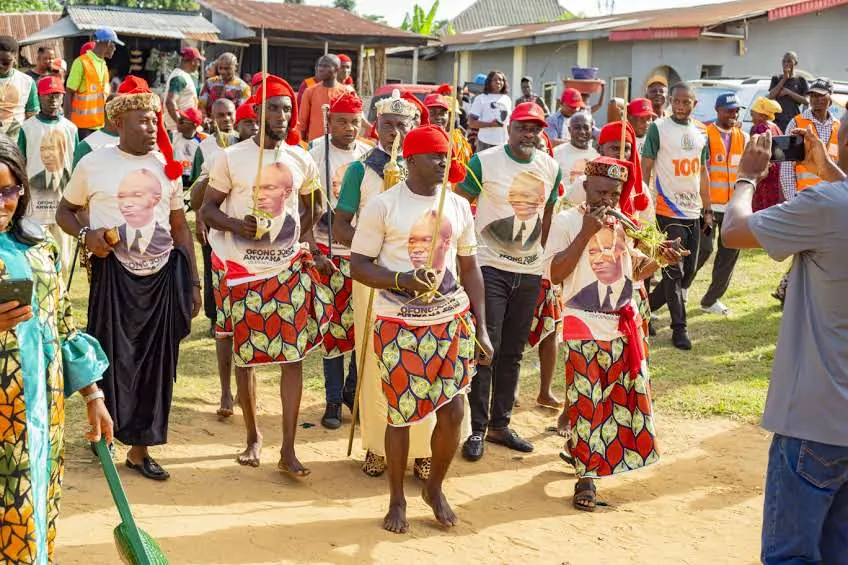
The grand cultural festival celebrating Oro identity with magnificent masquerades, traditional music, dance competitions and community feasts. The Obon Festival brings together sons and daughters from every village, branch and international chapter for three days of joyful celebration of what it means to be Oro.
A joint cultural celebration with neighbouring Ibibio and Annang peoples, promoting the shared cultural bonds of the Akwa Ibom family. The day features dance troupes, traditional attire displays, food fairs and a joint council of elders — a demonstration of unity across cultural lines.
The annual inter-village wrestling tournament — a test of strength, skill and community pride. Young men from all five LGAs compete in the traditional Oro wrestling style before chiefs and elders. The champion earns the title of Akara Oro (Strength of the Oro Nation) and is celebrated for a full year.
The ceremonial opening of the fishing season, in which traditional priests lead a procession of decorated canoes onto the river to bless the waters. Fishermen offer libations and prayers for safe voyages and abundant catches. The festival reflects the Oro people's ancient covenant with the sea.
As the year turns, communities across the Oro Nation gather at village squares and meeting halls to pray together, honour the departed, celebrate the year's achievements, and set collective intentions for the months ahead. A quiet but deeply meaningful tradition that renews community bonds at the start of each year.
The artistic traditions of the Oro people are a living museum of cultural expression. Pottery — particularly the distinctive red-ochre water pots and ceremonial vessels — has been produced in Oron for centuries using techniques passed from mother to daughter in an unbroken chain. Oro pottery has been documented in international museums and is considered among the finest in West Africa.
Basket weaving and mat-making remain central cottage industries, with intricate geometric patterns encoding clan identities and spiritual meanings. Women's weaving cooperatives continue to operate in every LGA, producing goods for local use and sale in regional markets.
The Ukara cloth — a hand-woven, tie-dyed fabric decorated with sacred symbols — is the most prestigious textile of the Oro people. Traditionally worn only by members of the Ekpe (Leopard) Society at ceremonies, it has evolved into a celebrated marker of Oro identity worn proudly at weddings, coronations and cultural festivals.
Bronze and iron casting, introduced through contact with the Benin Kingdom, produced some of the most remarkable sculptural works in the Cross River Delta. The Oron Museum's collection of wooden ancestor figures (ekpu) — over 600 carvings dating back five centuries — is considered the single greatest collection of African wood sculpture in existence and has been the subject of international scholarly study for decades.
Traditional Oro arts and crafts — pottery, weaving, Ukara cloth and ancestral carvings
The oral literature of the Oro people is a vast treasury of wisdom, wonder and identity — passed down beside evening fires and in the shade of ancestral compounds for thousands of years.
Long before memory, there lived a humble fisherman on the banks of the Great River whose nets always returned empty. One moonless night, a luminous figure rose from the water and spoke to him: "Promise me honesty, and abundance will be your companion." The fisherman kept his word through seasons of hardship and seasons of plenty. When he died in old age, surrounded by children and grandchildren and more fish than he could count, the village elders said: "This is what the water gives to the one who never cheats the river."
In the time when all animals spoke, the Crab was the most boastful creature in the water. He told everyone that he alone among all creatures could walk in any direction he chose. Abassi, hearing of this arrogance, summoned the Crab and asked him to demonstrate. In his nervousness before God, the Crab could only shuffle sideways. "From this day forward," said Abassi, "you shall walk only as you walked before me — sideways — so that all creatures may remember that pride comes before stumbling." And so it has been to this day.
The elders say that long ago, when the clans of the Oro Nation quarrelled constantly over fishing grounds and farmlands, a great drought descended on all their territories. A wise woman named Eka Oro told the clan heads: "Abassi has shut his eyes to us because we have turned our backs on each other." She called them together under the Great Iroko tree at the centre of the land — the tree that stands between all territories and belongs to none. There, in the shade of the Iroko, the first Oron Council was born. When they rose from that meeting as one people, the rains came before nightfall.
The Oron Union's Cultural Heritage Committee is currently documenting oral traditions across all five LGAs in partnership with the University of Uyo. If you are an elder, griotte, or community storyteller wishing to contribute to this archive, please get in touch.
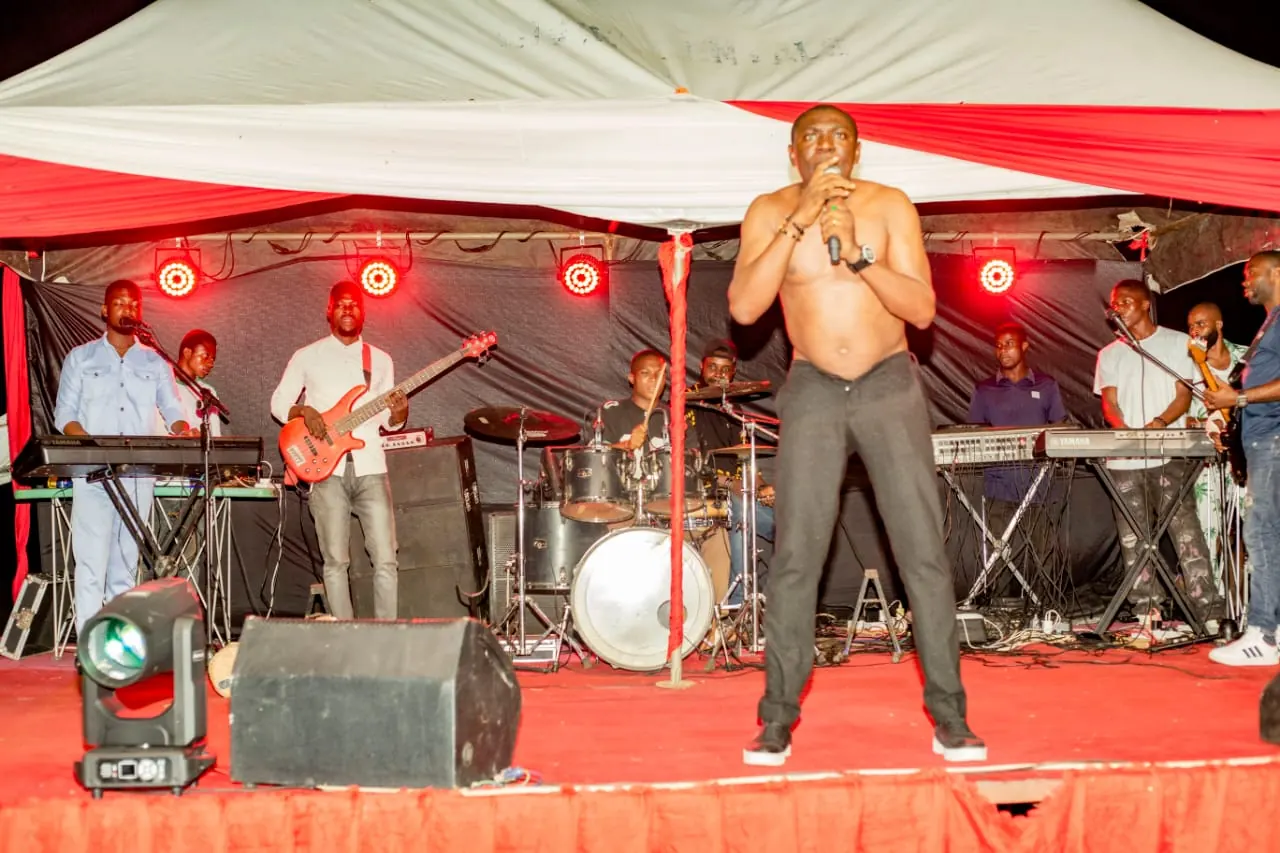
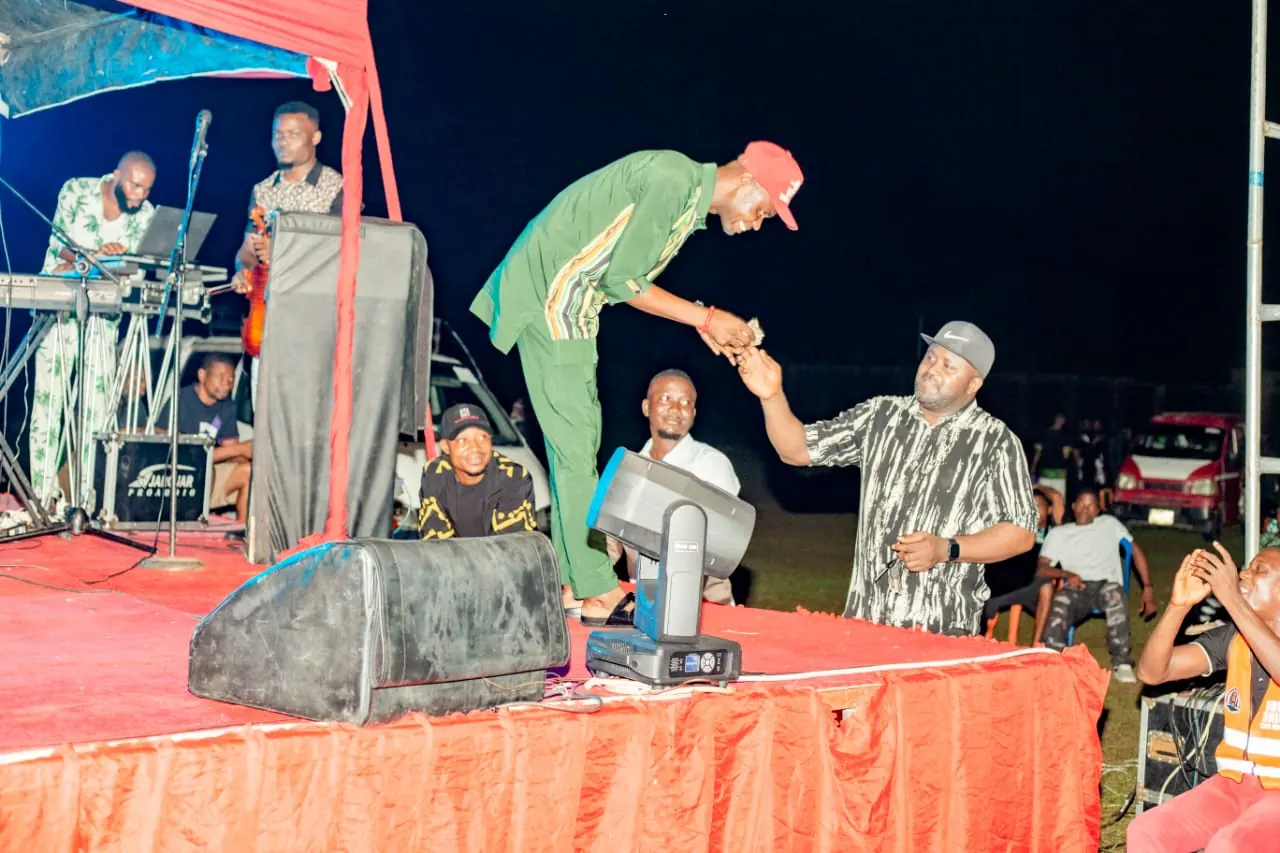
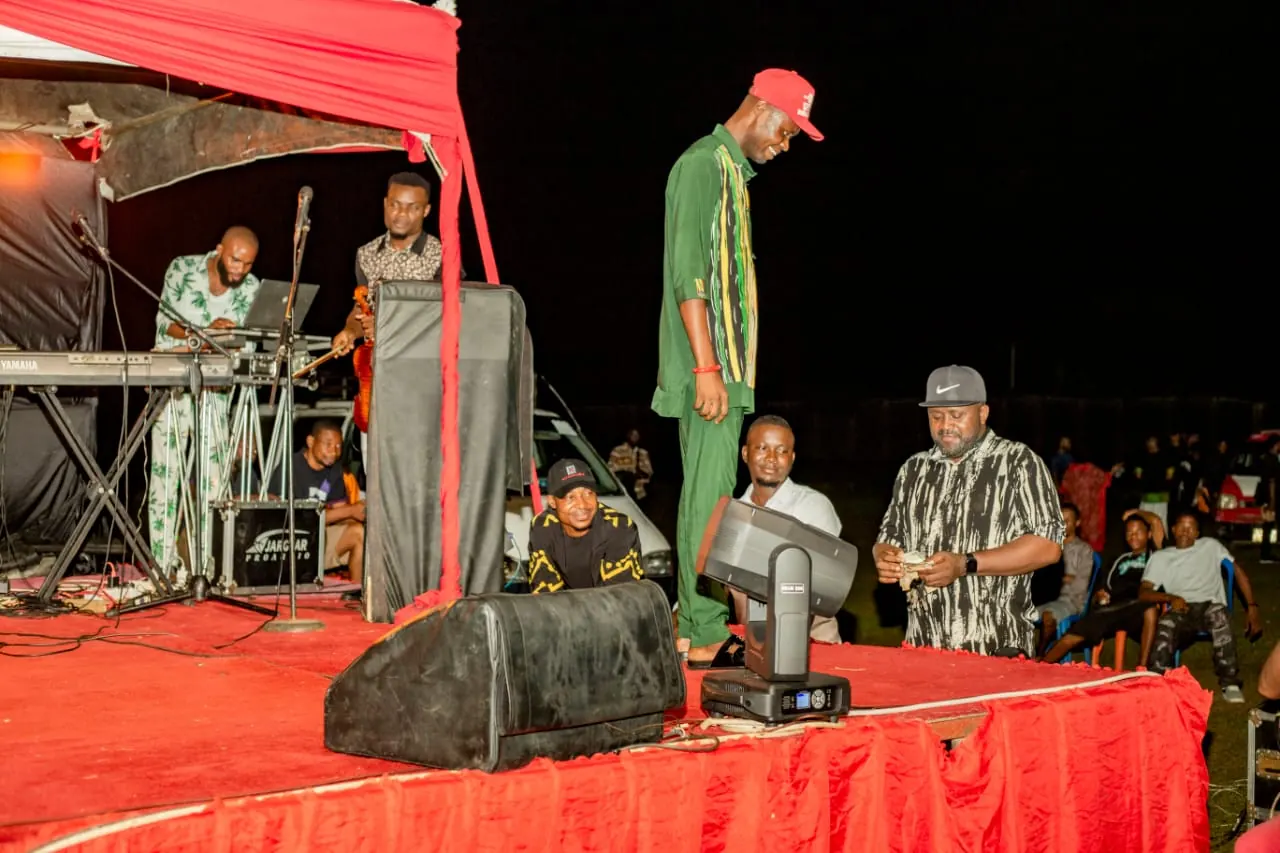
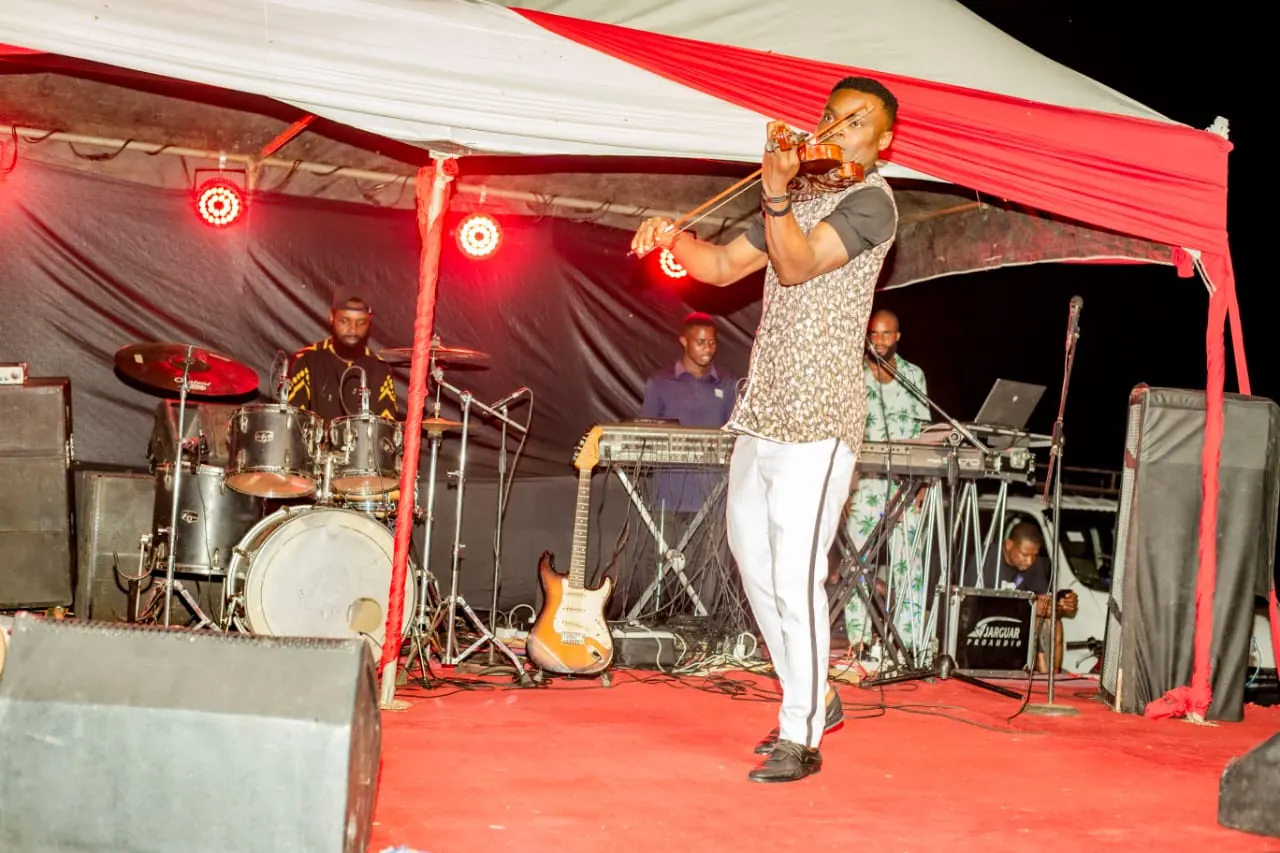
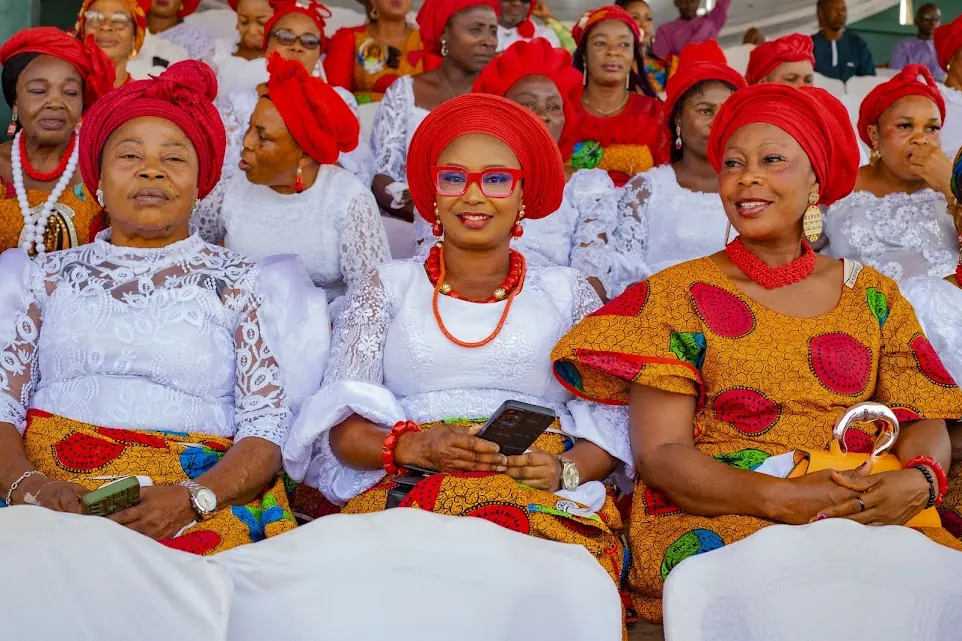
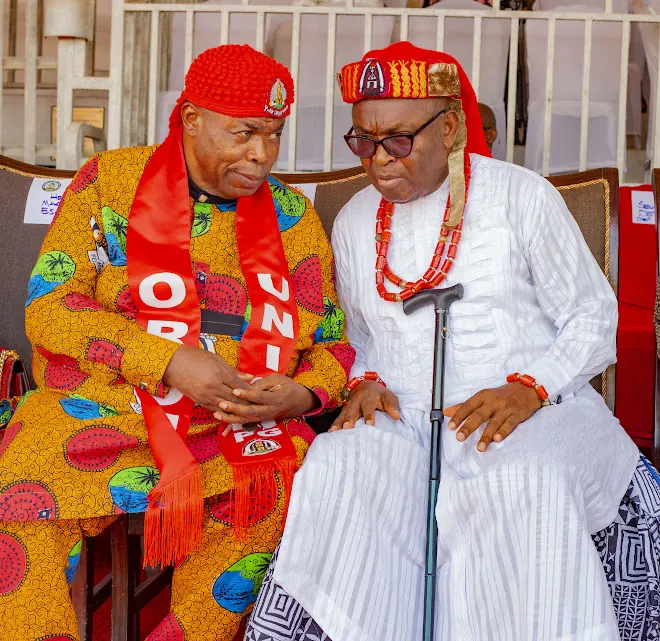
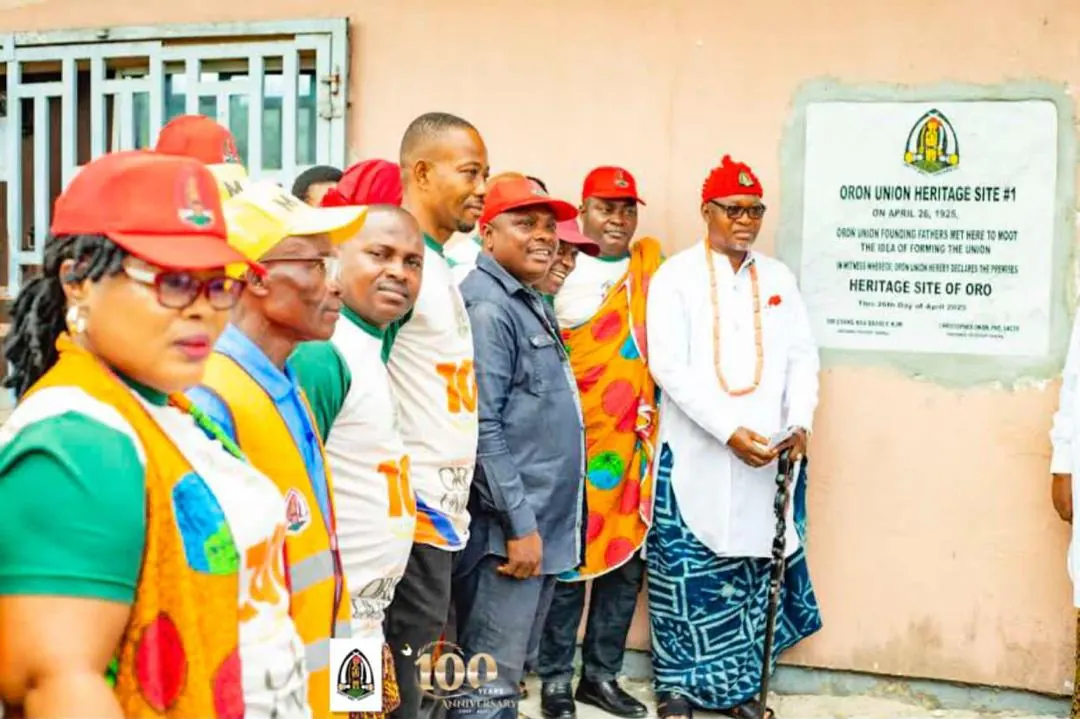
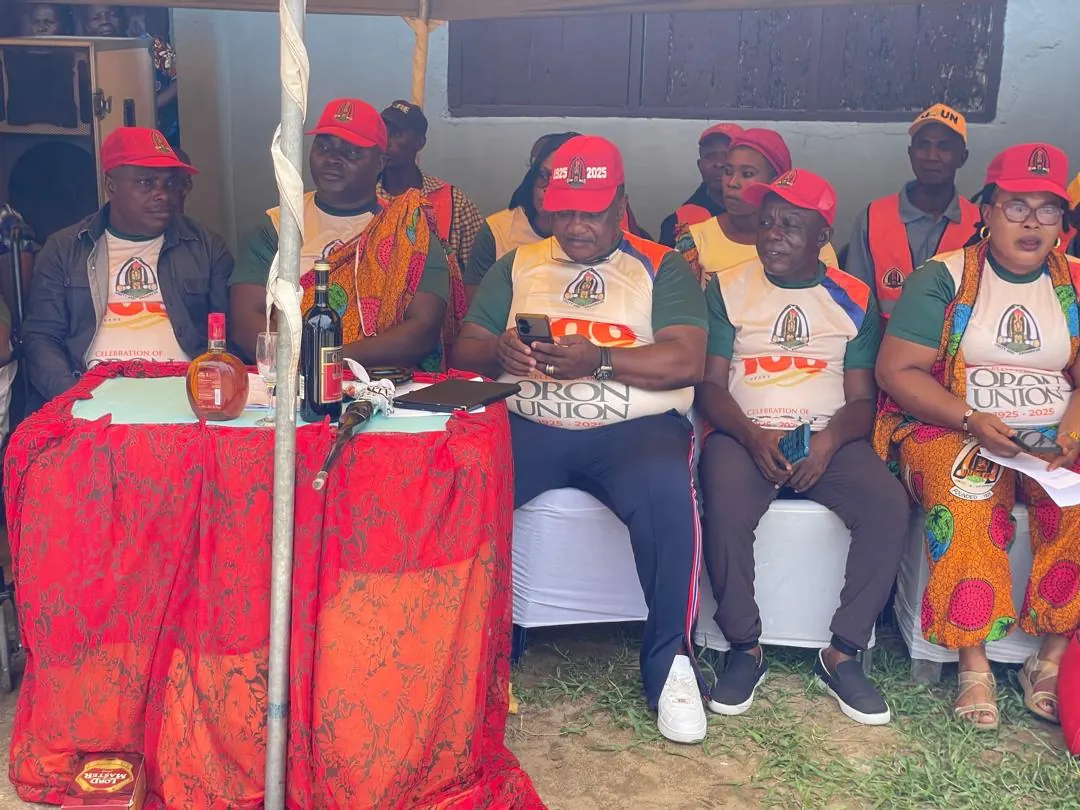
Contribute to the Heritage ArchiveA visual celebration of Oro culture, community life and cherished traditions spanning our five LGAs and the diaspora.
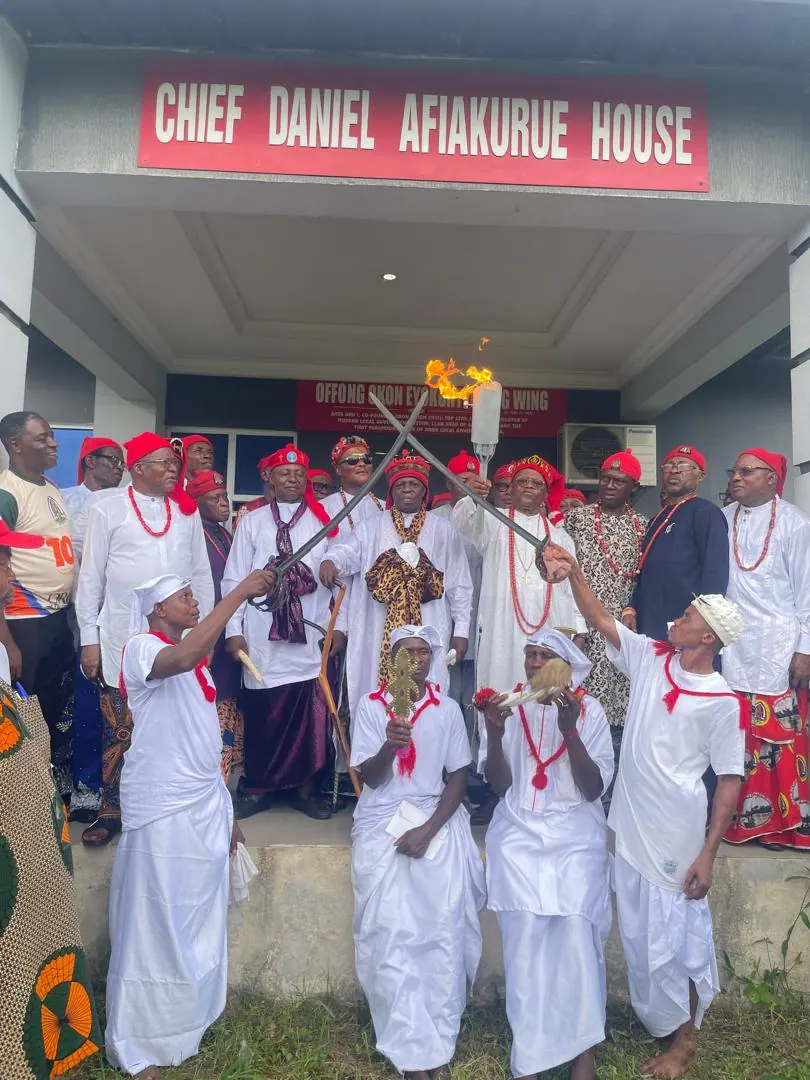
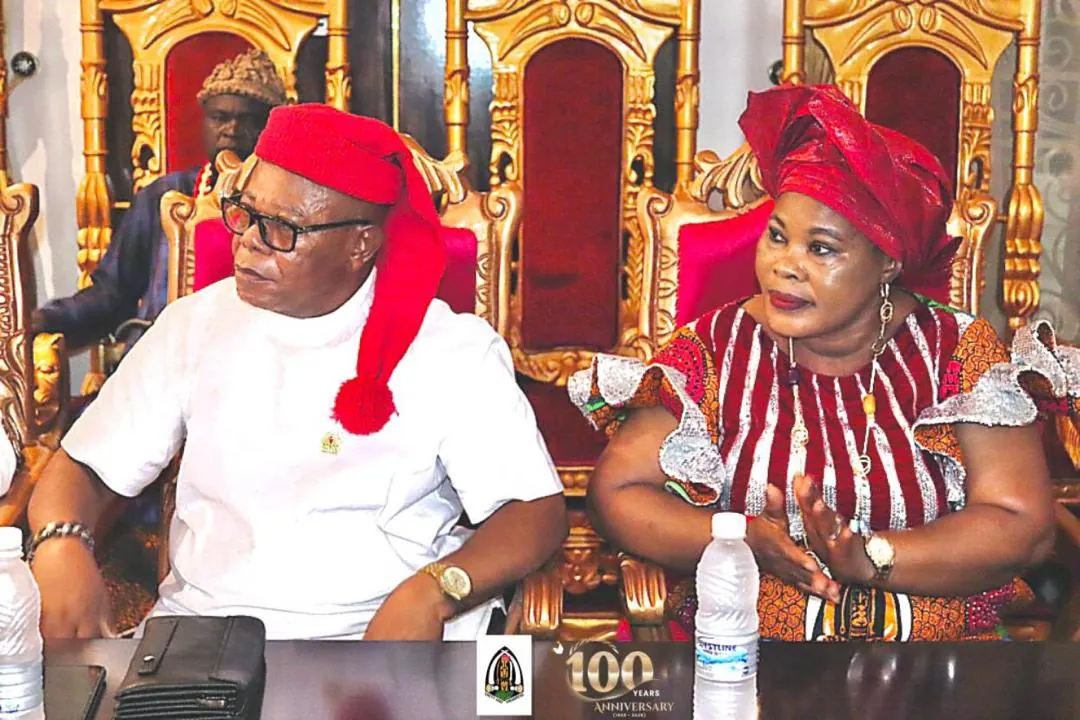
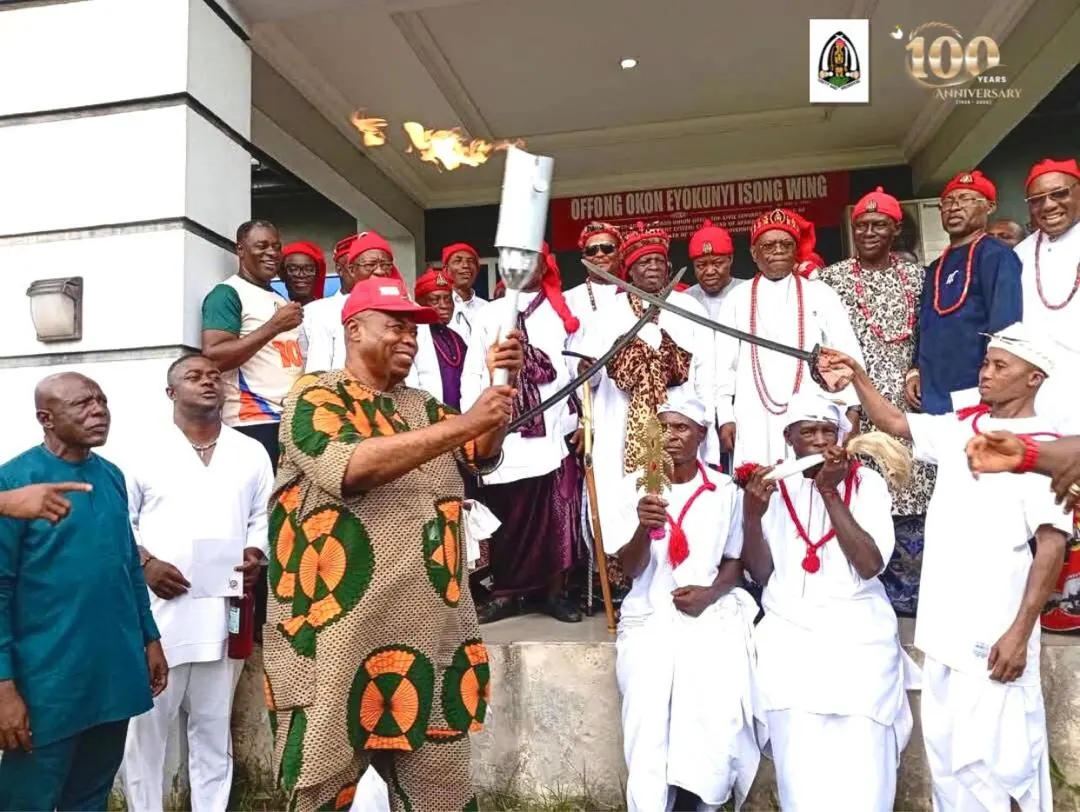
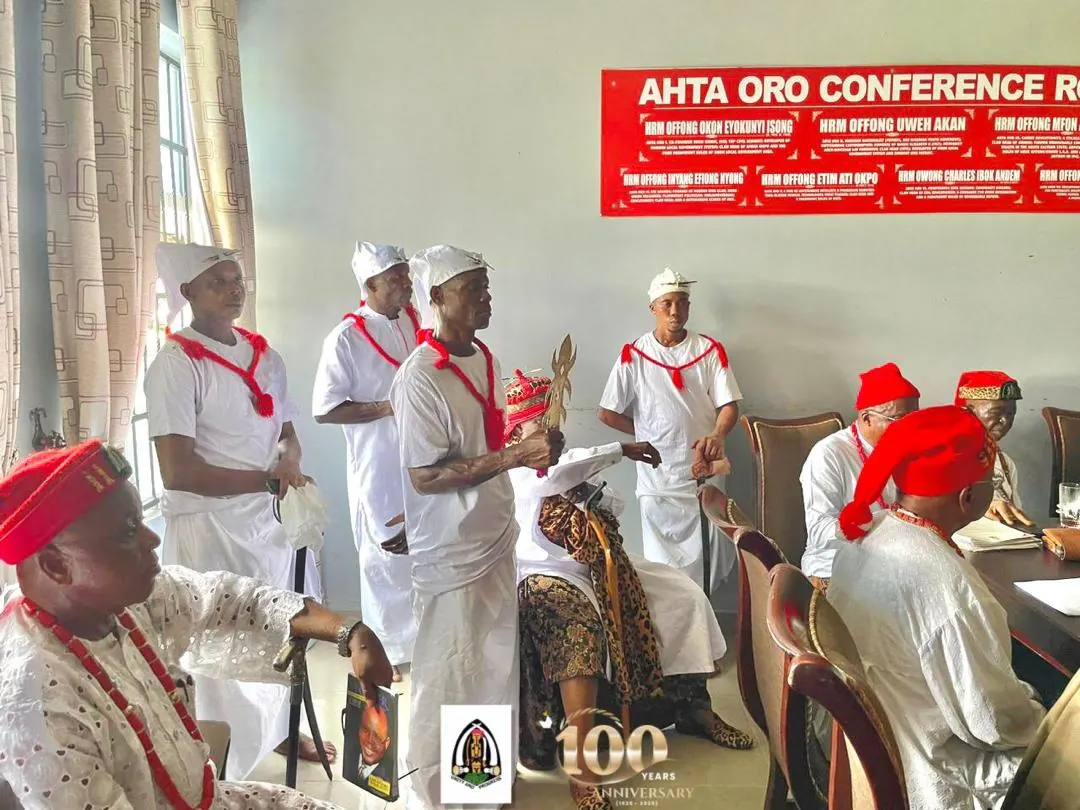
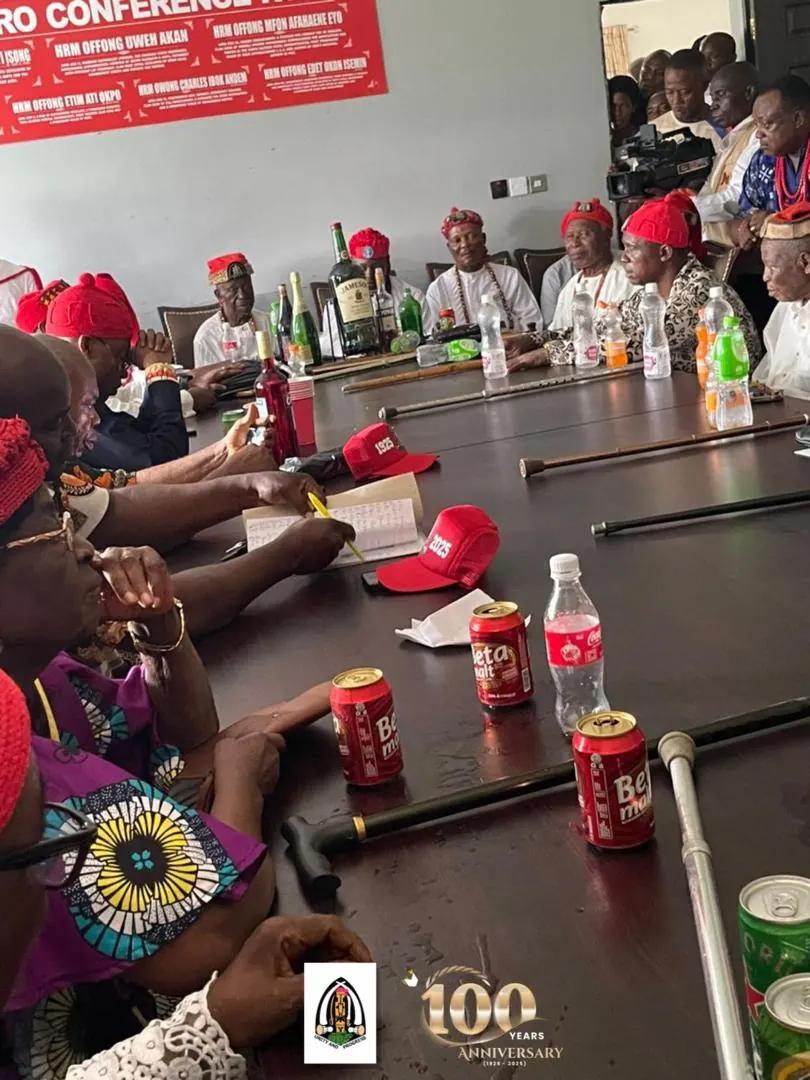
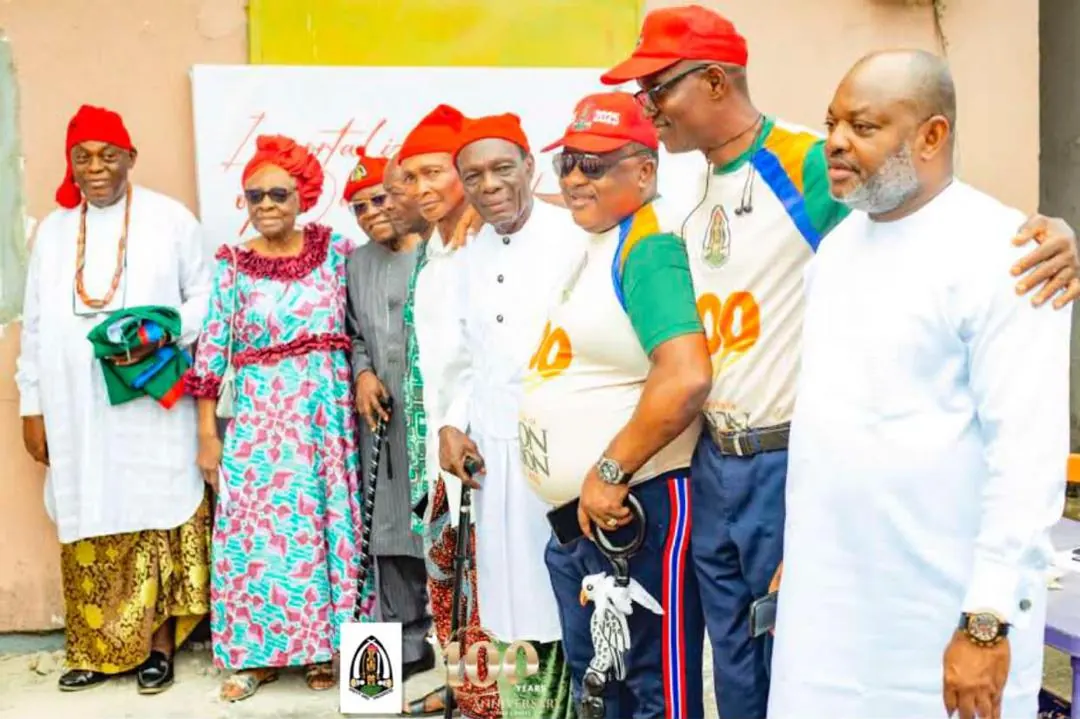
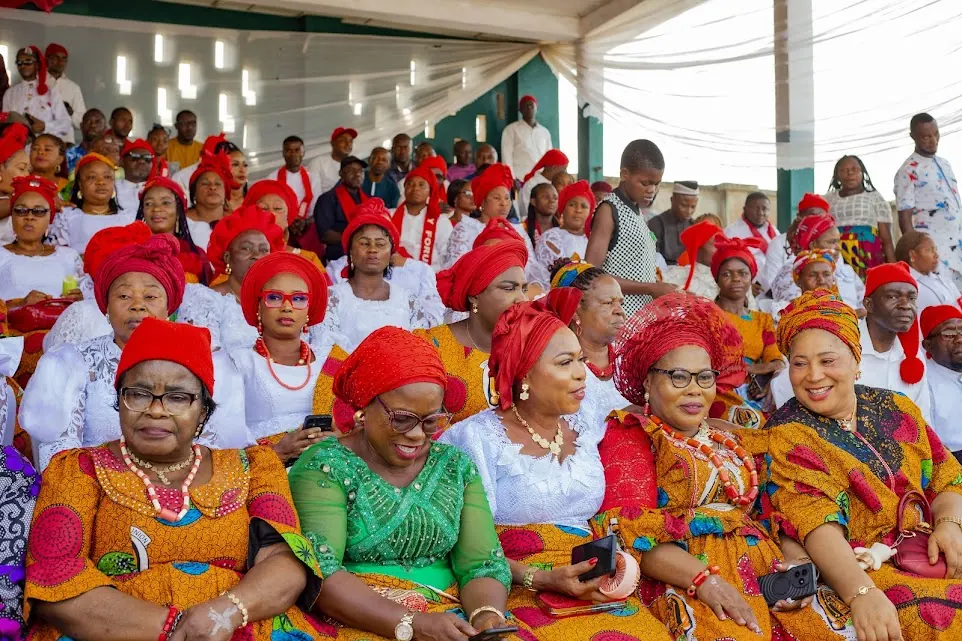
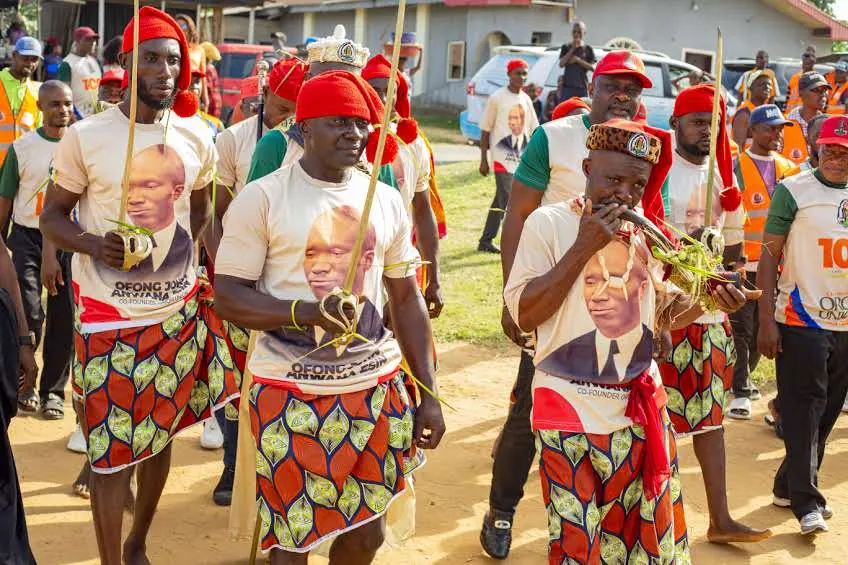
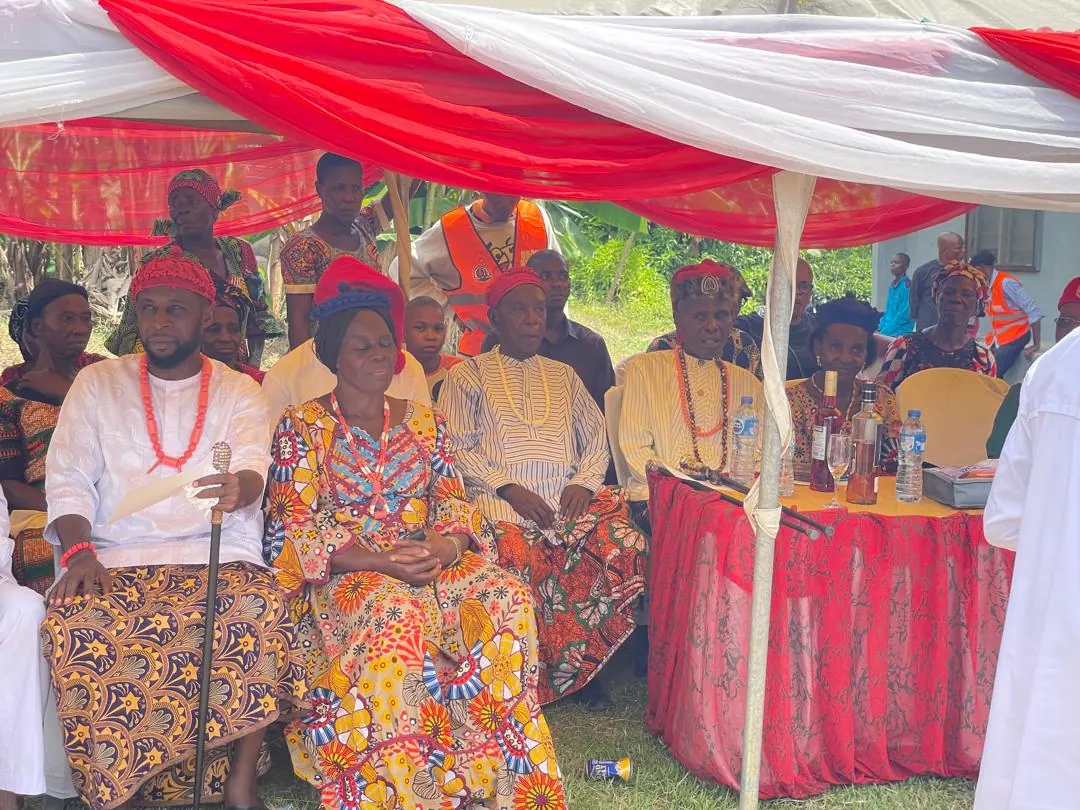
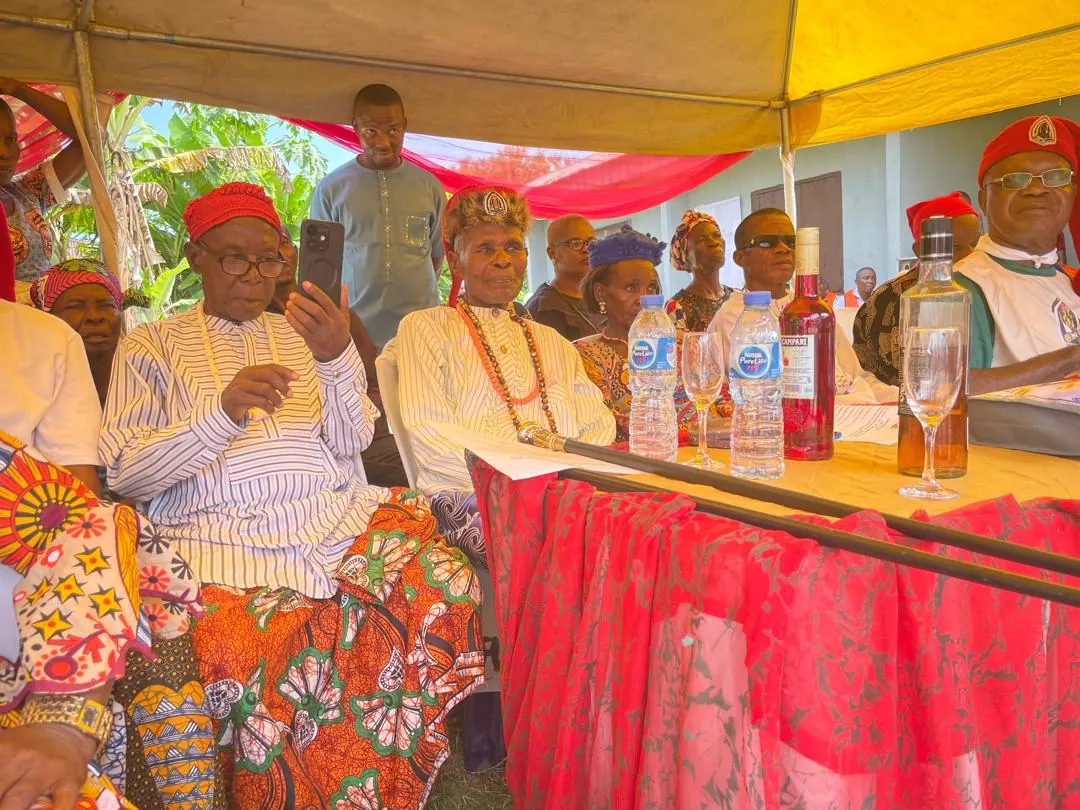
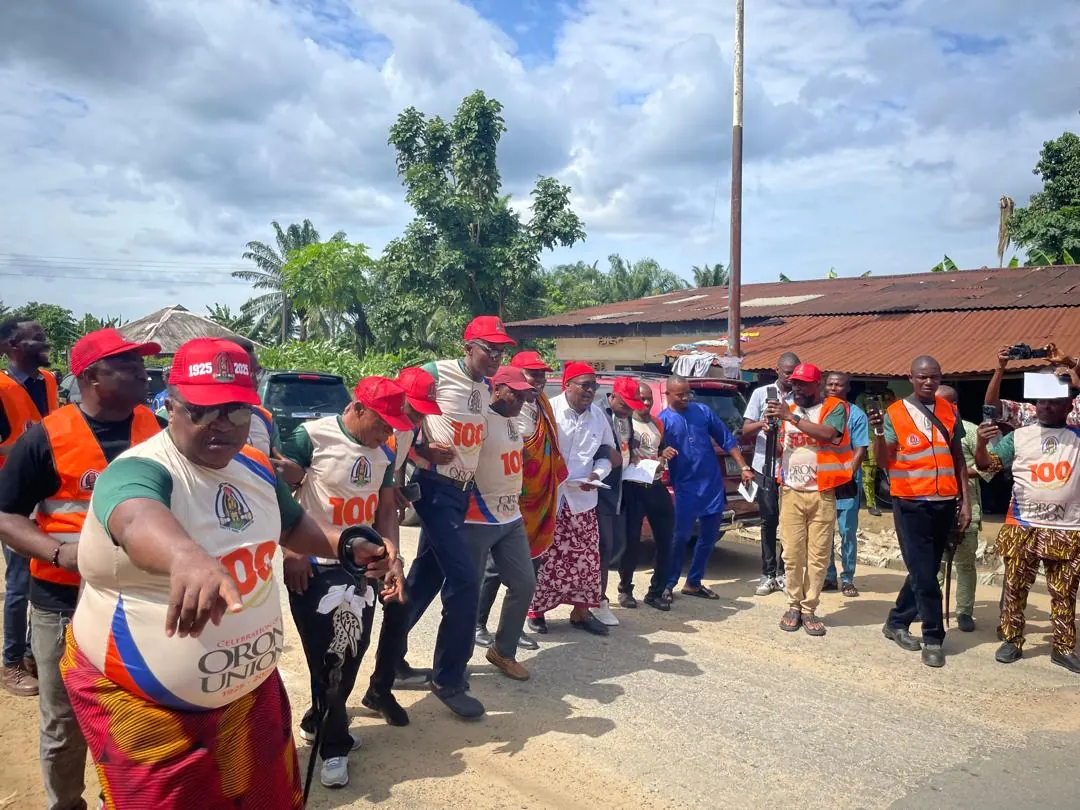
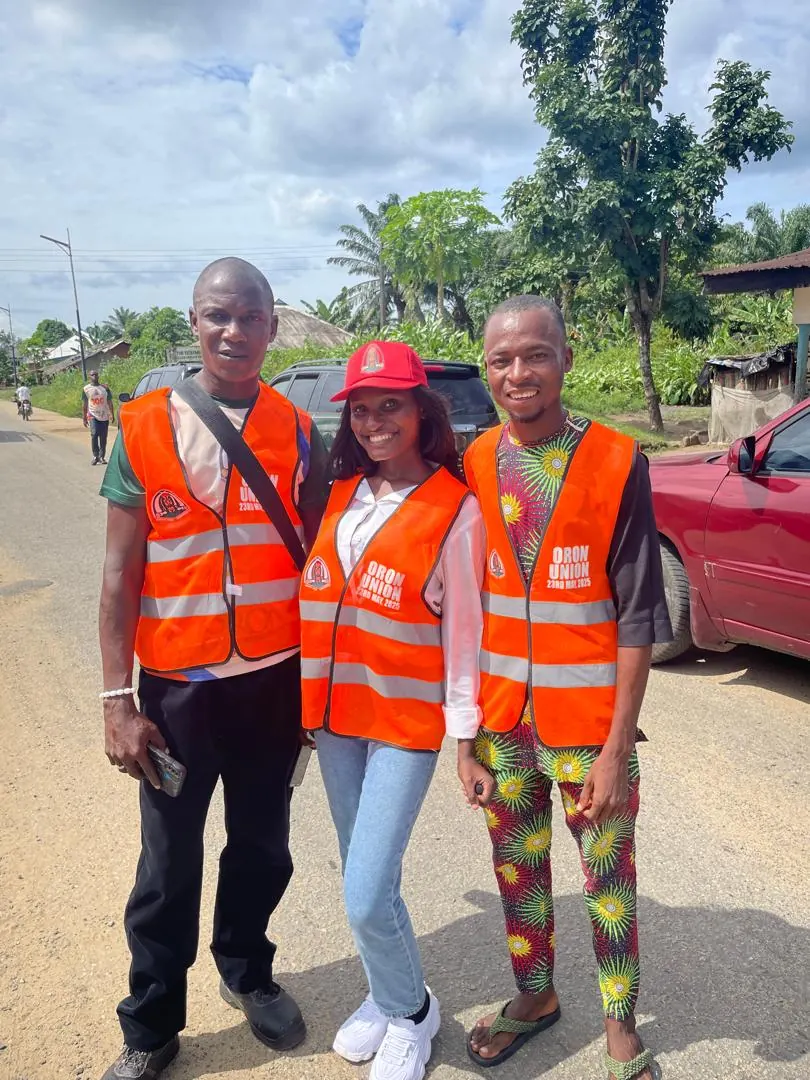
Photographs drawn from community events, cultural festivals and archival collections across the Oro Nation. To submit photos for the archive, contact us.
Whether you were born in Oron or grew up far from home, your roots are here. Join the Oron Union and help us preserve, celebrate and share the extraordinary legacy of the Oro people.
Become a Member Upcoming Festivals